

If you’ve been told you have low thyroid function, you might have heard about iodine supplements as a solution. But recent findings indicate that this approach might not be the best, especially if you have Hashimoto’s.
Let’s break down the role of iodine and goitrogens in thyroid health and outline practical steps for managing your condition with confidence.
Why Iodine Matters
Iodine is key for making thyroid hormones. It helps synthesize T4 and T3—your metabolism’s power players. But balance is crucial; too little can lead to deficiencies, and too much can trigger inflammatory responses, especially for those with Hashimoto’s.
Research shows that adults generally need around 150 micrograms of iodine daily, which can often come from a balanced diet.
Hashimoto’s and Thyroid Health
Hashimoto’s thyroiditis is an autoimmune disorder where the body’s immune system attacks the thyroid. It’s a common condition linked with hypothyroidism, affecting a remarkable number of patients.
Studies indicate that up to 98% of those with low thyroid function may actually have Hashimoto’s. Managing iodine levels carefully is essential, as excess can aggravate autoimmune issues.
The Trouble with Too Much Iodine
While iodine is necessary, overdoing it can backfire. Excessive iodine intake has been linked to hypothyroidism and autoimmune thyroiditis. This can confuse your body—initially benefiting thyroid function, it can lead to serious problems later on.
Symptoms of too much iodine can be subtle at first, so it’s a good idea to tread carefully.
Iodine’s Complex Impact on Thyroid Function
Iodine’s relationship with thyroid function is sticky. While it’s necessary for hormone production, it can also lead to immune attacks (this happens when iodine interacts with thyroid enzymes, which can increase autoimmune activity).
So keeping a close eye on iodine intake is vital when you have thyroid issues.
Ensuring Your Iodine Levels Are Just Right
Knowing your iodine levels is essential, especially when managing thyroid issues. Aim for around 150 micrograms daily, ideally sourced from your diet rather than supplements.
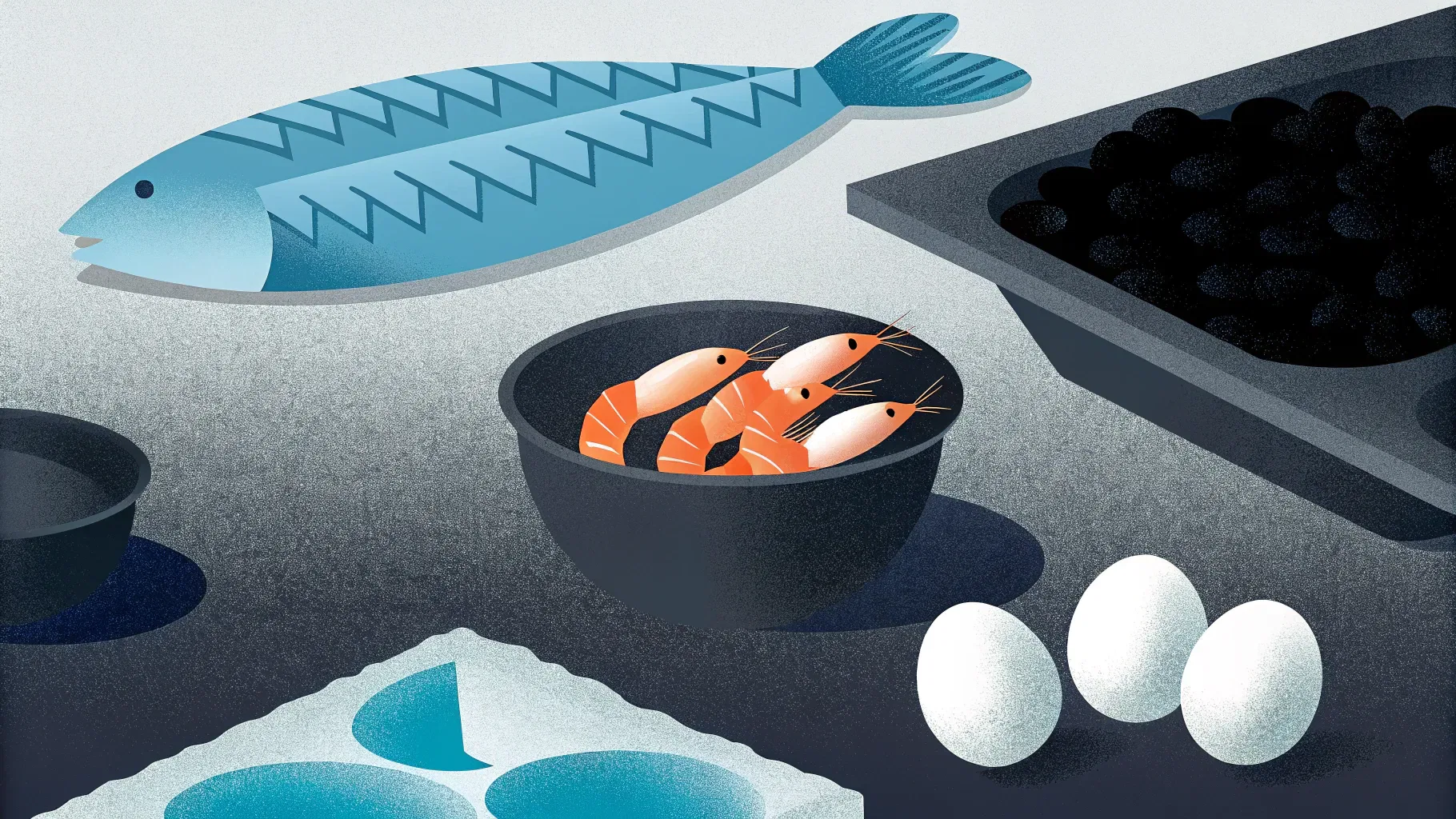
- Iodine-Rich Foods: Incorporate seafood like cod and shrimp, which naturally provide iodine.
- Caution with Seaweed: While it’s high in iodine, it can lead to excessive intake—moderation is key.
- Stay Aware: Keep an eye on how your body responds to dietary changes, and consider regular lab tests to monitor your thyroid hormone levels.
Natural Iodine Sources
Here are some great food sources to include for balanced iodine levels:
- Seafood: Fish like cod and shrimp are top-notch sources.
- Dairy: If you consume dairy, options like milk and yogurt can help boost iodine levels.
- Eggs: A fantastic source of various nutrients, including iodine.
- Organ Meats: Liver and other organ meats are nutrient-dense and iodine-rich.
- Balance with Seaweed: While nutrient-packed, be mindful not to overdo it.
The Benefits of Reducing Iodine Intake
If you have Hashimoto’s, cutting back on iodine intake might lead to significant improvements. Research suggests that people who limit iodine to under 100 micrograms daily often experience better thyroid function, including normalized TSH levels.
This underscores the importance of keeping tabs on iodine levels.
Busting Myths About Goitrogens
There’s a lot of buzz around goitrogens—especially concerning cruciferous veggies. Many think these foods should be avoided like the plague, but that’s a myth.
Goitrogens can compete with iodine but don’t necessarily disrupt thyroid function in healthy individuals. These veggies are actually packed with benefits!
The Upsides of Cruciferous Veggies
Cruciferous vegetables like broccoli, cauliflower, and kale are nutritional powerhouses:
- Fiber-Rich: Great for digestion and gut health
- Antioxidants: They help combat oxidative stress, crucial for those with autoimmune conditions.
- Anti-Inflammatory: Many compounds can help reduce inflammation, helping promote overall health.
By incorporating these into your meals, you can reap their benefits while being mindful of your thyroid needs.
Bringing It All Together
Effectively managing your thyroid health, particularly with Hashimoto’s, involves understanding the balance between iodine and goitrogens. Focus on getting iodine from whole food sources while avoiding excess. Embrace the wonderful health benefits of cruciferous veggies, knowing they can be part of a well-rounded, thyroid-friendly diet.
By navigating these steps, you can take control of your thyroid health and make well-informed dietary choices to enhance your overall well-being. Remember to tune in to your body’s signals and consult your healthcare professional on your journey to optimal thyroid health.
Book a Complimentary Clarity Call to see if Sherri’s Thyroid Wisdom program is right for you.