Tips to Avoid Medication Side Effects
When you have a cold or the flu, sometimes you feel so bad that all you care about is getting some relief. The worst flu or cold symptoms will be over in 4-5 days but complete recovery can take up to 10 days, and sometimes longer. So you might decide to turn to over-the-counter medications such as ibuprofen, decongestants, and antihistamines.

The problem with using these drugs is that they actually suppress your immune system. They interfere with your body’s natural ability to fight infections. As a result you may actually end up feeling bad longer than if you used natural solutions instead.
Let’s look at some specific side effects associated with common over the counter medications.
- Ibuprofen can cause upset stomach and diarrhea. It can interact with other medications, and even cause your blood to become too thin.
- Acetaminophen can cause severe liver damage when used long-term.
- Diphenhydramine (a common antihistamine) can cause your mucus to actually become thicker and harder to eliminate from your body. It’s also well-known for causing drowsiness.
- Pseudoephedrine is commonly used as a decongestant. However, it often causes people to feel nervous, dizzy, and restless. It can also cause seizures and even hallucinations. This drug also interacts with many other drugs used for blood pressure and heart disease. Many people report that it causes a fast heartbeat.
Positive Alternative Choices to Cold and Flu Medications
On the other hand, you may decide it’s best to avoid over the counter cold and flu medications when you’re ill. Opt for more natural solutions. For example, it’s important to increase your water consumption when you’re not feeling well. Fluids will help your body to eliminate toxins and fight infection.
An old-fashioned remedy is chicken soup – and studies have shown that this remedy actually does help shorten the length of a cold or flu. No one is sure exactly how it does this, but it’s thought that it could be because it increases your fluid intake and that the steamy vapor helps with congestion. My herbalist mentor says that eating chicken feeds your glandular system. Add some fresh garlic for a two-fer.
[Helpful hint: chop up the garlic and let it sit on the cutting board for a few minutes before adding it to your soup. This allows the medicinal properties of the garlic to increase. Really!]
You can also take colloidal silver supplements to help your body naturally fight bacteria and viruses. Pycnogenol is a super antioxidant supplement, so it’s great for lots of things, including help your body to naturally fight inflammation. But it also appears to act as an antihistamine and helps reduce the length of time you’re down with the cold or flu.
Elderberry supplements can also be taken several times a day to help you fight viruses naturally. Sambucol syrup is probably the best well-known of these.
Olive leaf extract is another supplement that you can add to your routine when you’re feeling a cold or flu coming on. One of its advantages is that it has anti-bacterial AND anti-viral properties. Look for 18% Oleuropein (the therapeutic ingredient) for best results.
And we can’t forget vitamin C. The best way to do this is by drinking fresh lemon or lime juice (diluted with water for the faint-hearted), or eating grapefruit, but you can also take supplements. Here are my favorites:
(Click the pics to order at wholesale prices)
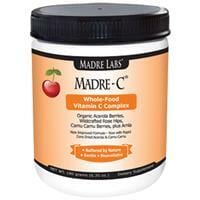
Whole food sourced!
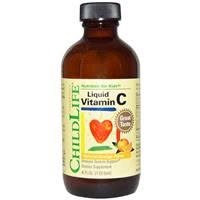
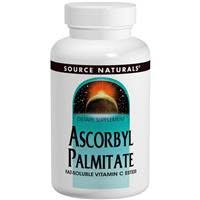
What are you doing to stay well during cold & flu season?
Please share your methods with us in the comment section below:
Photo credit: Xavier Donat